I help teams build successful products from 0 to 1 through design thinking, execution, and leadership.
View Case Studies


I lead UX and product design projects from concept to launch, combining design expertise, user research, IA, strategy, and testing with Figma design systems and AI prototypes.
Over my career, I have shipped intuitive products for B2B, B2C, SaaS, and enterprise clients to deliver human-centered experiences to thousands of users and drive business success.
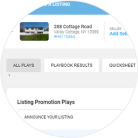
Simplification of workflows in a large platform leads to higher rates of new user adoption.
Read More
Processing multiple loans simultaneously is better with the help of AI.
Read MoreOther Case Studies
“I’ve worked with Brandon for many years. He is not only a great designer, but a smart and flexible product strategy partner. He is fast, good and will challenge status quo in a very positive and collaborative way. Brandon focuses on bringing outsized value and impact where he works.”
Joe Skousen, CEO Inside Real Estate




Role: Lead Designer
After reviewing customer feedback and web analytics, my team discovered that the adoption rate for new users on our platform of products was too low.
How can I improve the UX so new users understand how to get value quickly and easily.
DISCONNECT
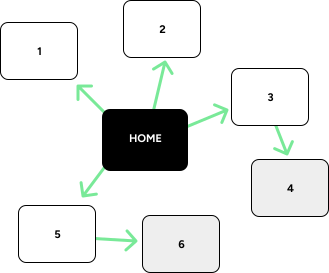
The key workflows were too disconnected, forcing users to jump all over the platform to fulfill their tasks.
DROP-OFF
Users dropped off mid-workflow never fully completing their tasks.
PERCEPTION
New users perception of the UX was that is was initially too difficult or not “user friendly” enough.
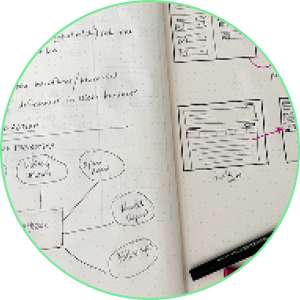
User interviews helped us identify bundling patterns of key workflows, which the team took into collaboration sessions to help drive our decision making. The idea of Playbooks was soon birthed.
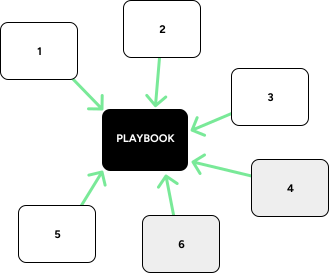
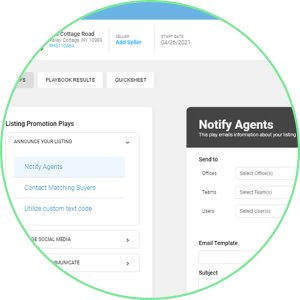
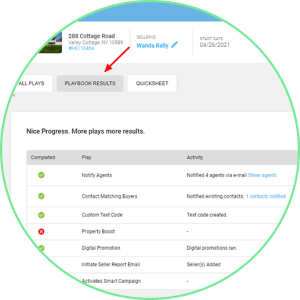
I designed a bundled list of key tasks that create wins for users and give access to this “Playbook” on the home screen.
RATE INCREASE
After designing and implementing the initial playbook, adoption rates for new users increased significantly, which led to higher engagement rates on the platform and better user satisfactions ratings.
MORE PLAYBOOKS
The success of the first Playbook spawned the design and release of more playbooks to drive engagement even more.
I was able solve the new users issue by listening to the user and providing a simple yet elegant solution to boost the users’ ability not only to navigate the complex platform but also to accomplish their business goals.
Role: Lead Designer
In our banking software solution, it takes users too long to start and close a client’s deal that involve multiple loans.
I need to rethink the UX of a banking deal in order to shorten the “time-to-close”.
ONE BY ONE
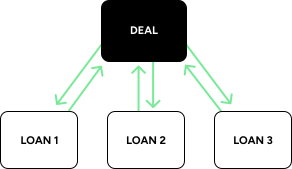
In current system, each loan had to be processed and closed one at a time.
MANUAL ENTRY
Each loan’s data had to be re-entered for each loan even though it was mostly the same.
INITIATION
The process to initiate a deal with multiple loans was inefficient and a major pain point.
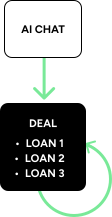
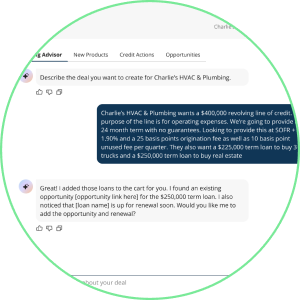
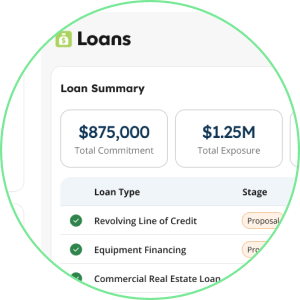
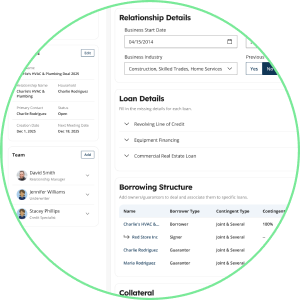
Our research efforts indicated a desire to initiate a multi-loan deal using natural language. We turned to AI to not only create the deal, including many loan details, but to auto-populate application details allowing users to process the loans in bulk.
I improved the UX striping out unnecessary duplicative work and guiding the user through the process of working the loans in bulk to decrease time-to-close.
EFFICIENCY
Testing showed a highly positive impact on time-to-close, exciting users for the time they get back to focus on things that really matter rather than duplicative data entry and high volume clicking.
BUILDING TRUST
As one of the first instances of a major AI-aided feature, this project had to work in order to set the stage for future enhancements of our product suites. It is effectively increasing the confidence in AI.
I, with the team, successfully provided users with a “shortcut” to getting the results they want faster impacting their business in very positive ways.
Deposit account opening often involves opening multiple accounts at one time. Users get frustrated by having to re-enter the same information multiple times to open similiar accounts. How do we streamline the process by adding opening accounts in bulk?
I partnered with a PM to do some generative research to discover what needed to be solved. We spoke to product experts, bankers, users of the current product and potential users of the revamped product. Through these conversations and some competative analysis we formed a base set of requirements.

As I started to understand the plight of our users, I documented the paint points, matching them to requirments. This became basis of the journey mapping and workflows for our user personnas.

With a few viable solutions framed out, we began to collaborate with the users and experts again to validate assumptions and gain insight from their feedback. With the consultations from the developers, the chosen solution started to take form. I iterated and designed it meet our goal of efficiency in bulk actioning.

A clickable prototype mirroring the designs was used to test the usability of the new UI a further draw feedback from demos. As we tested, we decided on a slight redesign to accomdate certain key uses cases.

The revamped experience has been met (so far) with high praise from the both businesses and users, increasing efficiency and faster times to closings.
Obtaining a SBA loan has many obstacles. We provide an integrated solution but the user experience is clunky, often fails, and takes too long. A streamlined experience is needed to decrease the time-to-loan decisioning.
To really understand the problem and SBA landscape, we interviewed many users and industry experts procuring insights. Working with PMs and Devs, we constructed a plan of attack with requirements and use cases. Utilizing AI to synthesize all our research data to build a problem statement.

Through a series of user group workshops, we built our understanding of the user pain points and their needs/wants.

With the user group, we mapped an ideal workflow which led to the creation of wireframes used to capture valuable feedback and validate layout decisions.

Using our design system, we created mock-ups to show the user group. The feedback led to design improvements. Iteration brought refinements.

A clickable prototype mirroring the designs was used to test the usability of the new UI.

The overhauled and streamlined user experience leads to faster, more accurate applications being processed. This decreases the time-to-decision resulting in faster closing of SBA loans.
When a platform grows rapidly and involves many sub-products, you risk usability but also adoption. Users of our platform lacked understanding of how to perform correlated essential tasks. I was tasked with designing a solutions that increased adoption and thus user satisfaction.
The data showed us that key workflows were disspersed throughout the platform. I needed a way to surface or combine workflows into one experience.

Users unfamiliar with the system had to jump all over the place in order to fulfill essential daily tasks. Although all the key elements existed in the platform, users failed to grasp how to navigate or correlate tasks together.

Through product team collaboration, I designed a "playbook". This was a group of related tasks brought together in one place to complete a full workflow.

With the group I refined the concepts, validated the flows, and produced prototypes to demostrate the interactions.

When showed to customers/users the concepts were well received. Their invaluable feedback improved the end product.

The first playbook was released to much fanfare and received great results. Adoption rates did increase, especially when subsequent playbooks were released.
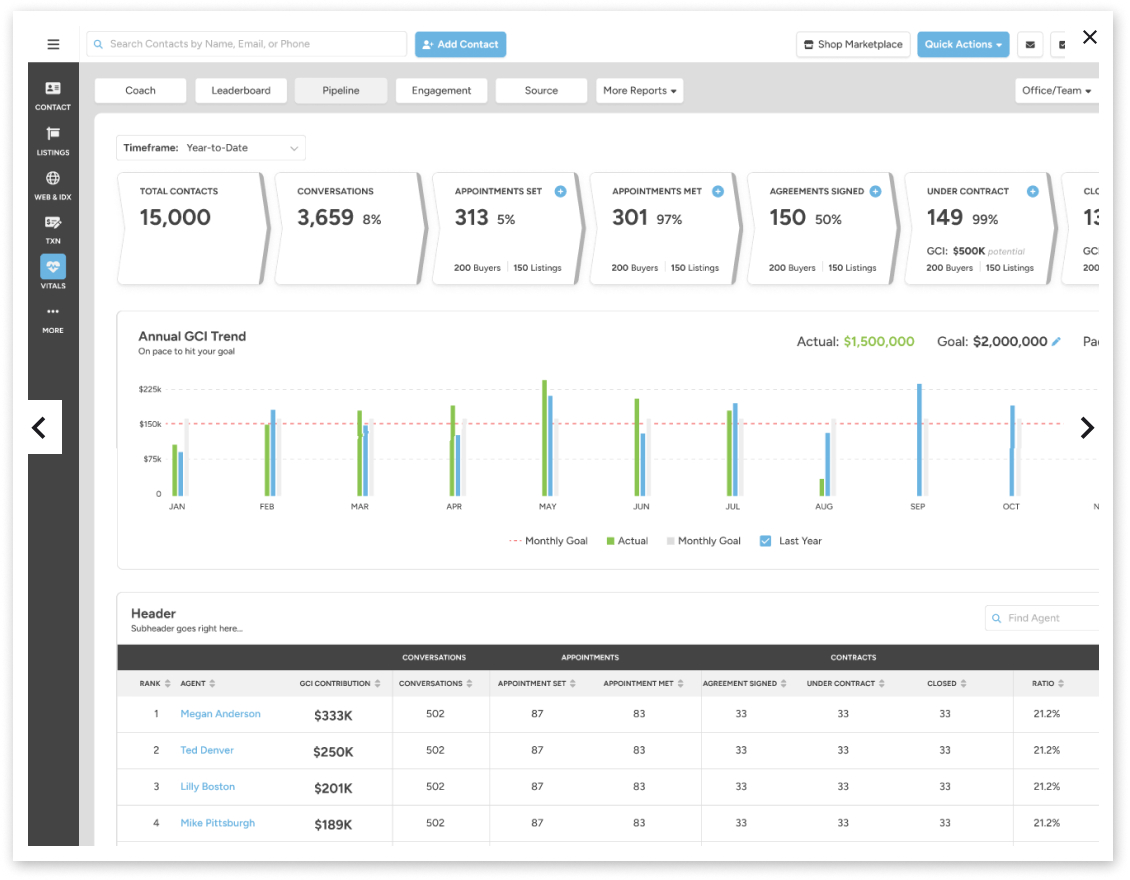
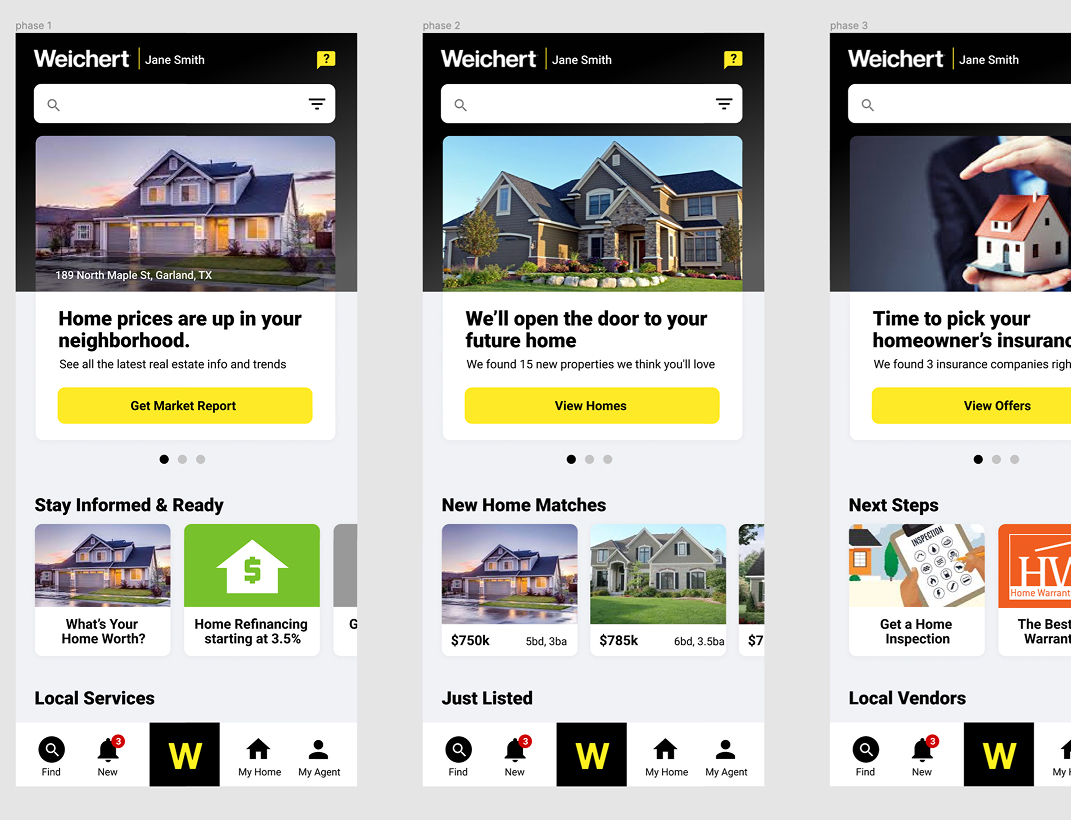
When two winning software companies merge decisions have to be made. Presenting users with a new unified experience without alienating them is the challenge.
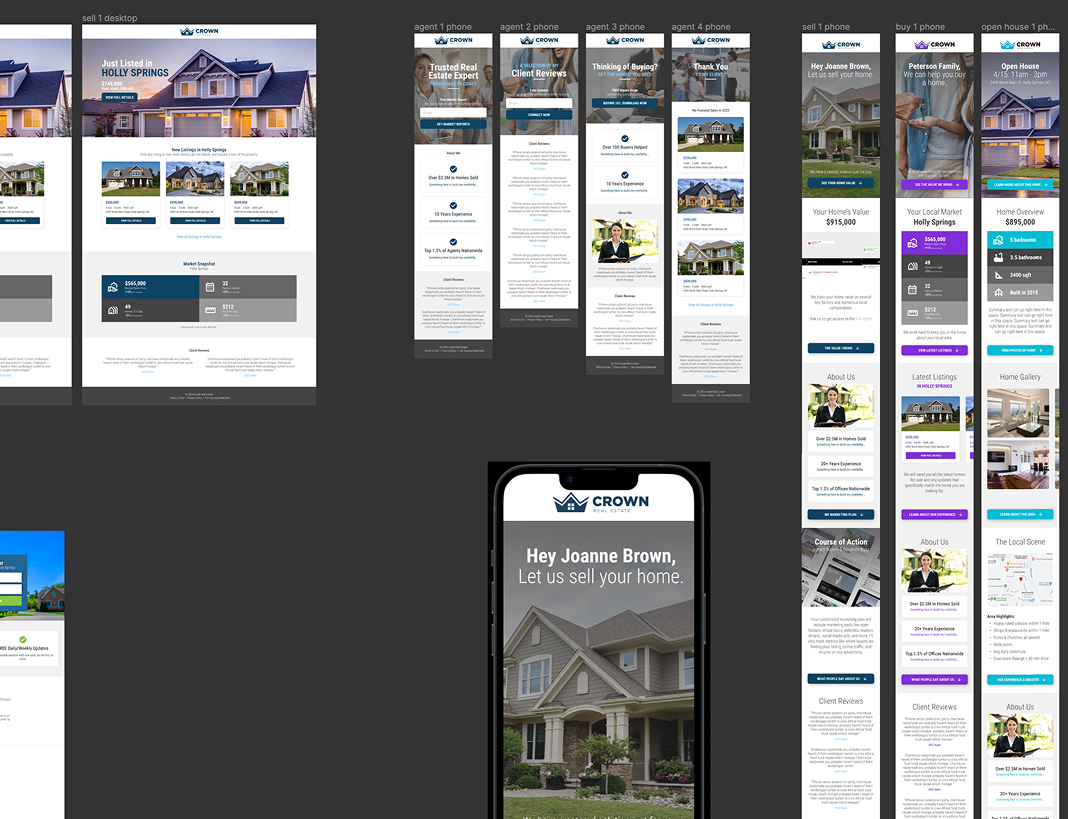
Hired to lead the design of the new UX of the merged platform, I had to dive into the real estate industry interviewing experts, clients, product personnel. My generative research and product team collaboration led to use cases, feature priorities, and phased requirements for the mvp.
An understanding of the various user personnas led to journey mapping and workflow ideas emerged the more I empathized with the needs and pain points of our targeted users.

I began with sitemaps and wireframes, validating along the way. I then used an iteravtive process of design reviews and modifications to refine the solution.


We had a tight window to test the product both internally and externally through various demos before launching as first to market in our space.

While the inital luanch (mvp) was bumpy, eventually the new merge solution became the most successful platform in the real estate tech industry with over 250,000 businesses calling it home. Plus, it maintained a over 30 NPS score for several years.

 Brandon Bruce